

Trends Shaping Industrial Trade in Southeast Asia

Written by
Li Jingwen
Date Released
6 January, 2026
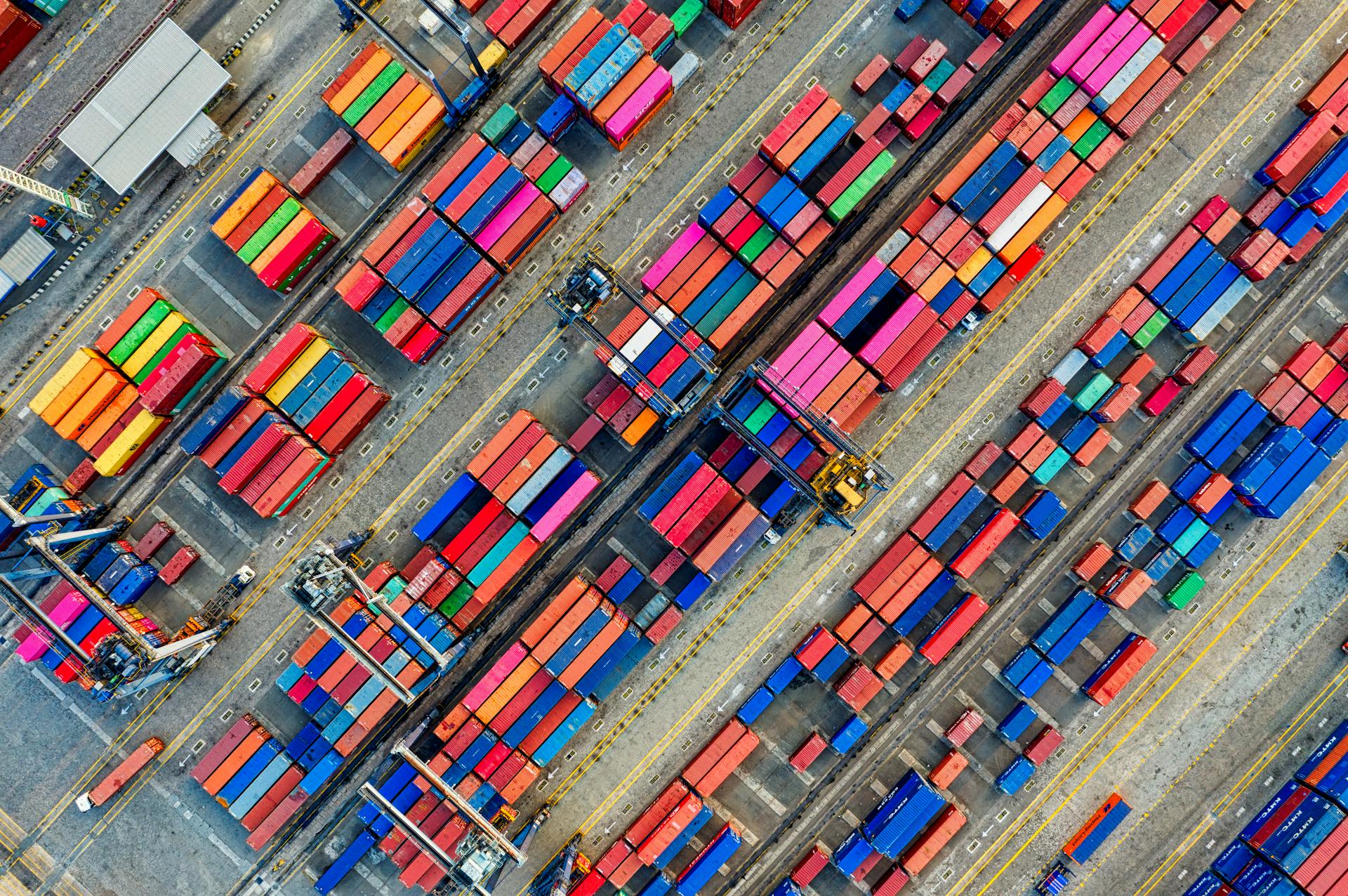
Southeast Asia continues to emerge as one of the most dynamic regions for industrial trade, driven by shifting global supply chains, regional integration, and growing industrial capacity. As international businesses reassess sourcing strategies and market access, the region is increasingly positioned as a strategic hub connecting manufacturing, logistics, and cross-border commerce.
Industrial trade in Southeast Asia is no longer defined solely by cost efficiency. Factors such as regulatory alignment, infrastructure development, workforce capability, and transparency now play a central role in shaping trade decisions. Companies operating in or entering the region must adapt to these evolving conditions in order to remain competitive and resilient.
Progress in trade is built not just on opportunity, but on the ability to adapt to change.
Key Forces Influencing Industrial Trade
Several key trends are reshaping how industrial trade functions across Southeast Asia. One of the most significant is the diversification of supply chains, as businesses seek to reduce overreliance on single markets. This shift has increased interest in regional manufacturing hubs such as Indonesia, Vietnam, and Thailand, where industrial ecosystems continue to expand.
Another important development is the growing emphasis on coordination and compliance. As trade becomes more complex, aligning commercial terms, operational processes, and regulatory requirements has become essential. Businesses are placing greater value on structured coordination and transparent communication between buyers, suppliers, and operational partners.
Digitalization is also playing a larger role. While not all industrial trade is fully digitized, data-driven planning, documentation management, and process visibility are increasingly influencing efficiency and decision-making across transactions.
Lessons from the Evolving Trade Landscape
Experience across the region highlights several important lessons for businesses involved in industrial trade. Adaptability remains critical, as market conditions, regulations, and demand patterns continue to shift. Companies that build flexibility into their trade processes are better positioned to respond to disruption.
Equally important is the role of collaboration. Successful industrial trade increasingly depends on strong relationships between multiple stakeholders, including suppliers, buyers, logistics partners, and regulatory bodies. Clear alignment across these parties helps reduce friction and supports smoother execution.
Finally, leadership and governance continue to shape outcomes. Effective oversight, accountability, and long-term thinking are essential in navigating complex trade environments and sustaining growth.
Conclusion
Industrial trade in Southeast Asia is evolving in response to global shifts, regional development, and rising expectations around coordination and accountability. Businesses that understand these trends—and adapt their strategies accordingly—are better equipped to operate efficiently and sustainably.
Navigating this landscape requires more than opportunity alone. It demands clarity, alignment, and a commitment to continuous improvement. As the region continues to grow, those who approach industrial trade with structure and adaptability will be best positioned for long-term success.


Let’s start working together